
What is the problem with Reinforced Autoclaved Aerated Concrete (RAAC)? Surveyors to Education

STEP 2 - If RAAC is present, we can provide a technical report and recommendations for next steps. This may include surveying the RAAC planks to identify any structural issues which a Structural Engineer would then use as part of a remedial works proposal. STEP 3 - We work with many of the UK's leading structural engineers and can use.
Identify and manage Reinforced autoclaved aerated concrete (RAAC) in educational buildings

Guidance advises responsible bodies and settings on how to identify RAAC and what they should do if it is confirmed, including vacating and restricting access to the spaces with confirmed RAAC.
RAAC Reinforced Autoclaved Aerated Concrete How to identify it and what to do about it

The attached document provides guidance on: the identification of RAAC. the appointment of a building surveyor or structural engineer to confirm if RAAC is present in any of the buildings on your.
RAAC concrete scandal What developers, freeholders and leaseholders need to know
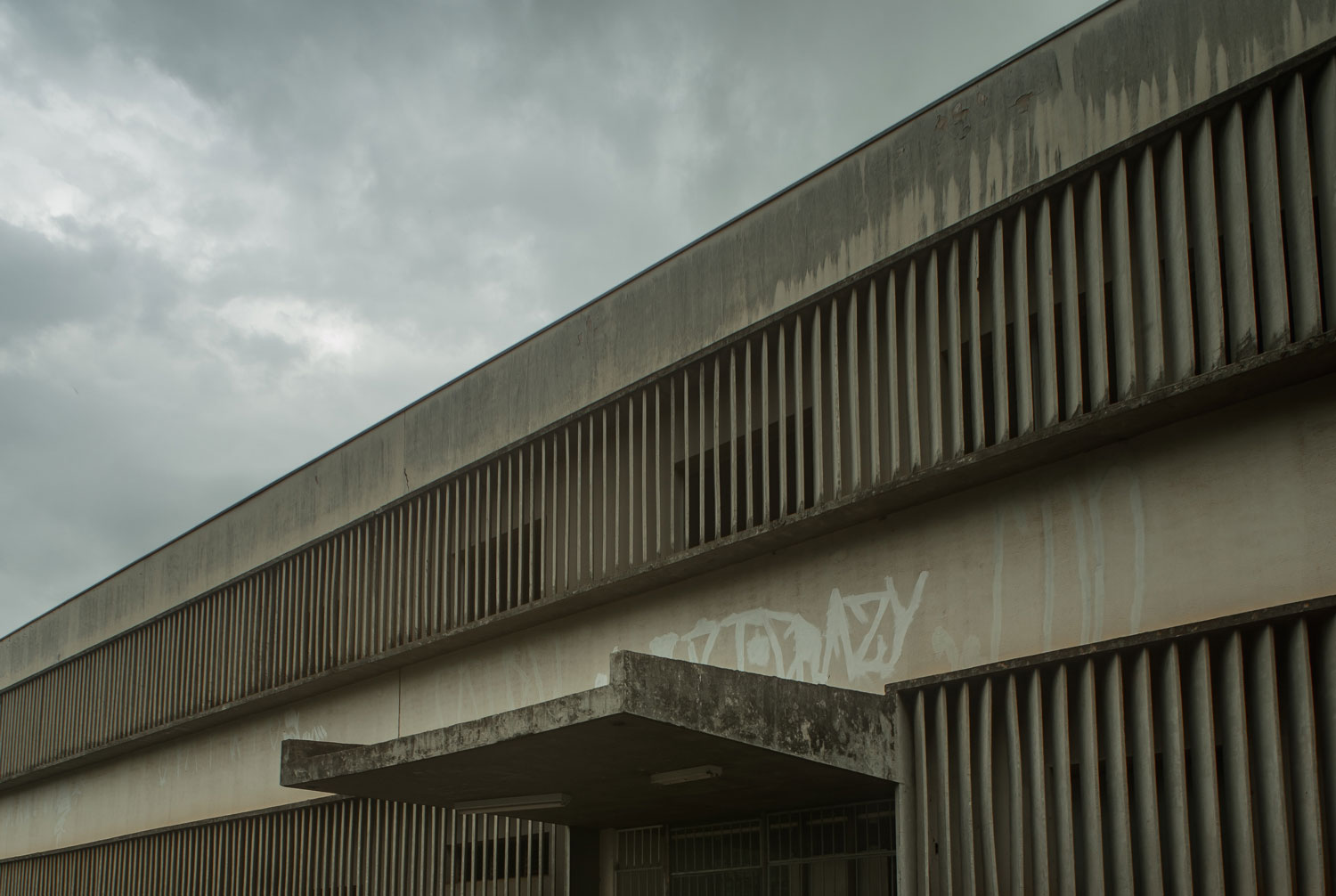
Concrete (RAAC) and appoint an appropriately qualified building surveyor or structural engineer to confirm if RAAC is present in their settings.. RAAC and give advice on how you can safely identify RAAC panels in your buildings. Failure of reinforced autoclaved aerated concrete (RAAC) planks
RAAC Surveys Daniel Connal Partnership

RAAC is a lightweight, 'bubbly' form of concrete that was commonly used in school and other buildings from the mid-1960s to the mid-1980s. RAAC is mainly found in roofs, although occasionally in floors and walls. RAAC is less strong than traditional concrete and there have been problems as a result, which could have significant consequences.
RAAC Identification Surveys and Testing Sandberg

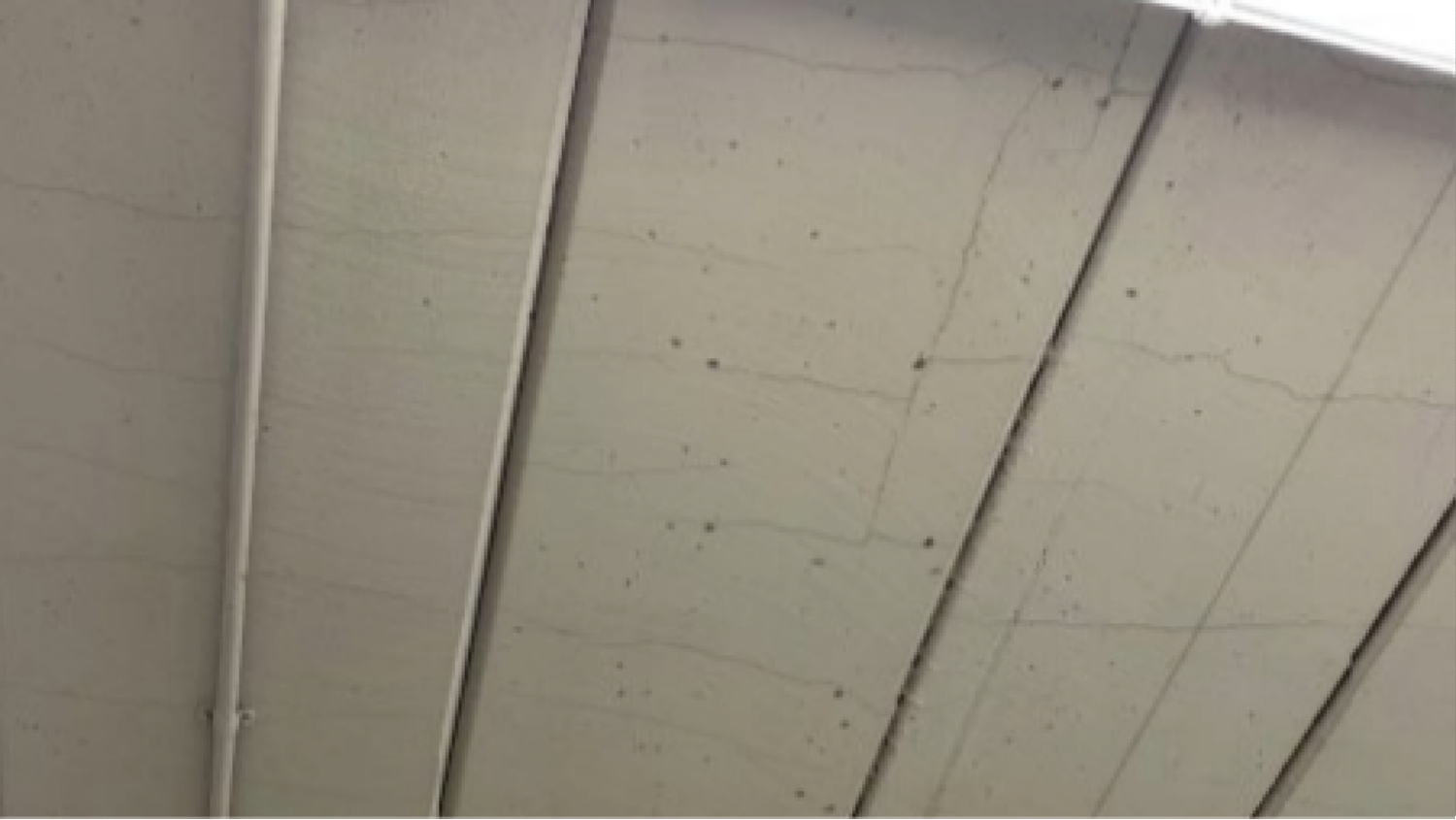
Identifying problematic RAAC planks. The potential for sudden failure of reinforced autoclaved aerated concrete planks has been highlighted recently. So how can surveyors tell whether the material has been used for construction and identify the warning signs? Excessive deflections and transverse cracking were thought to be a key warning sign of.
RAAC What now for buildings affected by the structurally unsound material? New Civil Engineer

This guidance provides identification and remediation solutions for Reinforced Autoclaved Aerated Concrete (RAAC) planks. RAAC has been used in building structures in the UK and Europe since the late 1950's, most commonly as precast roof panels in flat roof construction, but in the 1990s structural deficiencies became apparent.
Urgent deadline to identify RAAC danger Surveyors to Education S2e
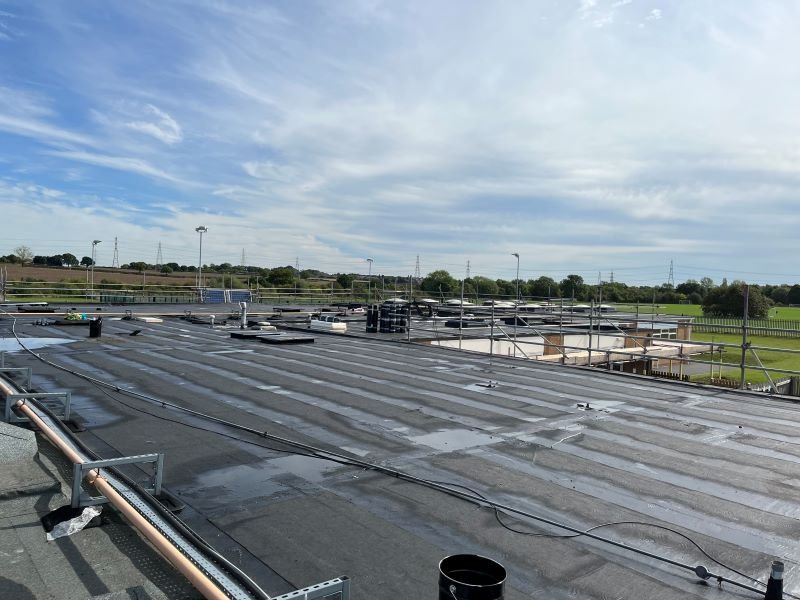
Traditional concrete, precast or ready-mixed, is used with reinforcement, but this concrete is resilient to water ingress and protects the reinforcing bars. The IStructE notes that traditional concrete is a highly reliable material with high compressive strength, that when combined with steel reinforcement to become 'reinforced concrete.
The dangers of RAAC concrete is your school at risk? Netmums
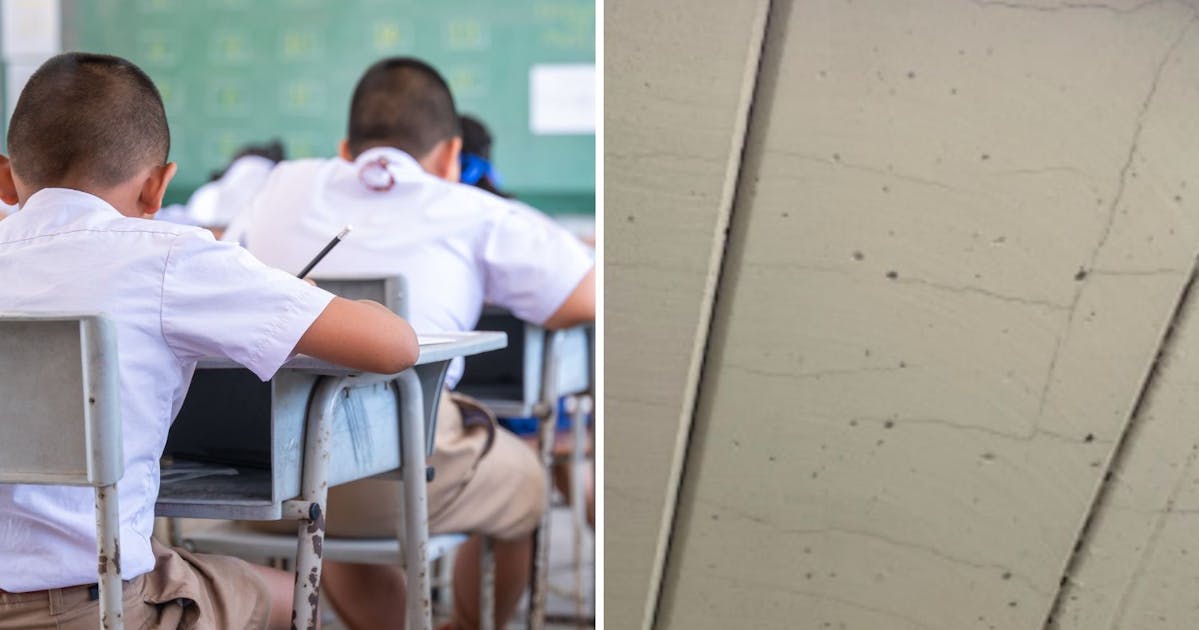
Through our RAAC expert partnerships we can design, cost and implement the works quickly and efficiently. RAAC REMOVAL & RENEWAL: With a RAAC time expired life span of 30 years, removal and replacement is often required. With our partners we can design the most cost and time efficient solution to achieve this.
Identifying problematic RAAC planks Journals RICS
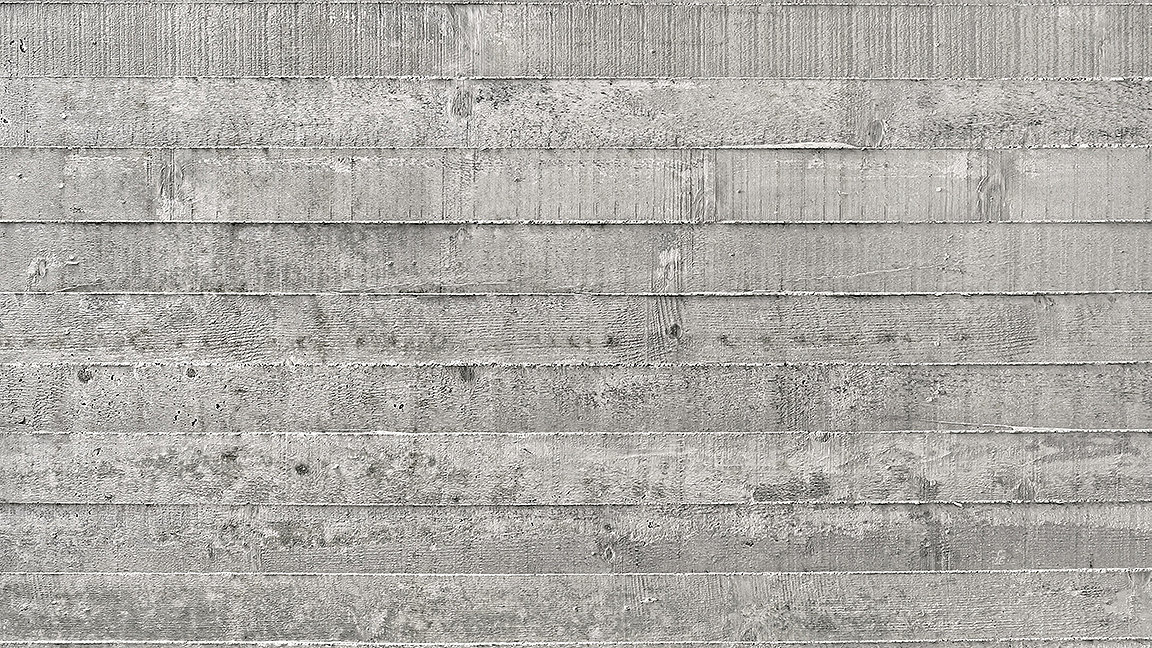
However, there is no central register of buildings with RAAC roof planks - or floor or wall panels - and so identification depends on local knowledge and independent inspections. Department for Education (DfE) guidance also outlines the following simple principles for identification purposes. Typically, panels are 600mm wide.
Avoiding RAAC and Ruin Garland UK
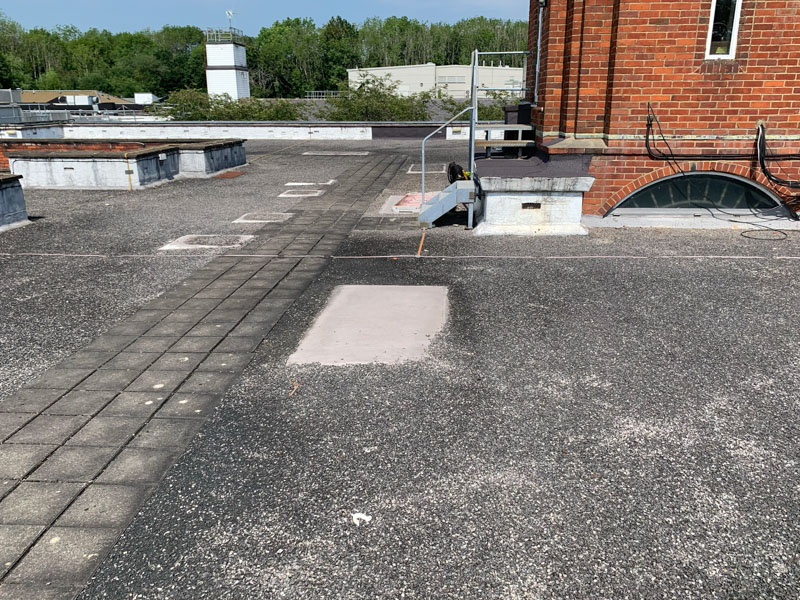
How to identify RAAC concrete. Identifying RAAC concrete is fairly straightforward because the panels usually have a chamfered edge, says Andrew. This gives the appearance of V shaped grooves every 600mm on the surface of the roof. RAAC is also more lightweight than traditional concrete, but it's not a good idea to attempt to dig into it as.
David Williams, Author at Munday and Cramer
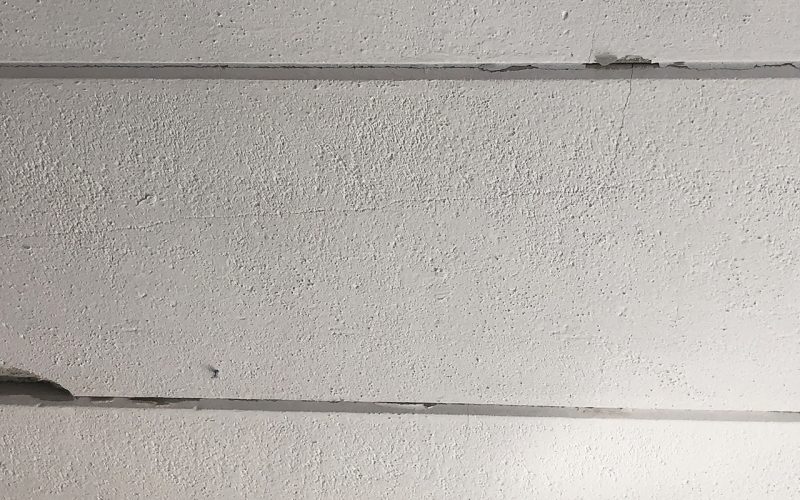
RAAC is a form of concrete developed in Sweden in the 1920's and introduced in the UK in the 1950's. It was commonly used in construction of public sector buildings until the mid-1990's in our country. RAAC is a lightweight 'bubbly' material commonly found in roofs, floors, and walls. It is made with cement, blast furnace slag, and.
RAAC How to identify it and what to do
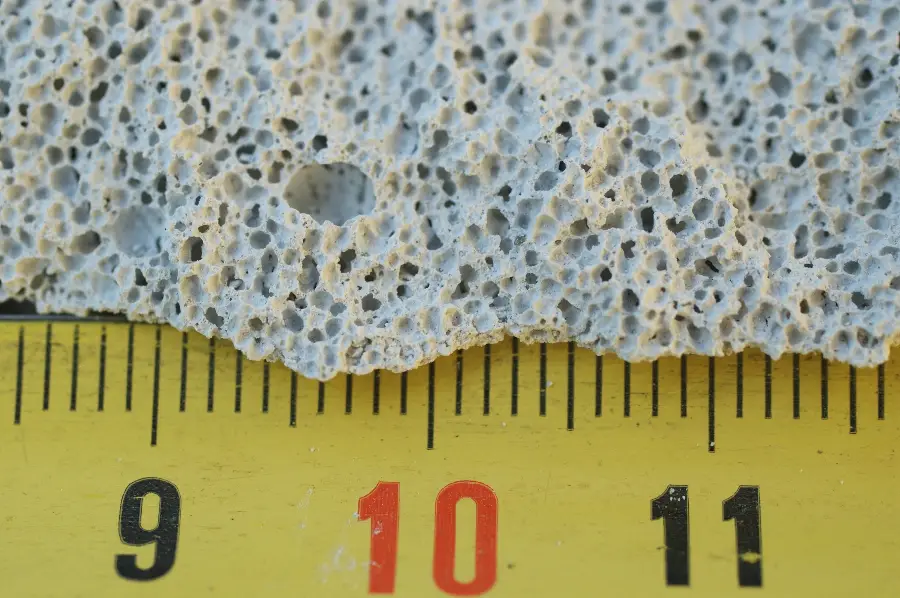
RAAC: Advice and FAQs. This page contains answers to frequently asked questions and advice for the public and members regarding Reinforced Autoclaved Aerated Concrete (RAAC). The below link provides guidance from the government for responsible bodies and education settings with confirmed RAAC. Reinforced autoclaved aerated concrete: guidance.
What is RAAC concrete and why is it a safety risk? BBC News
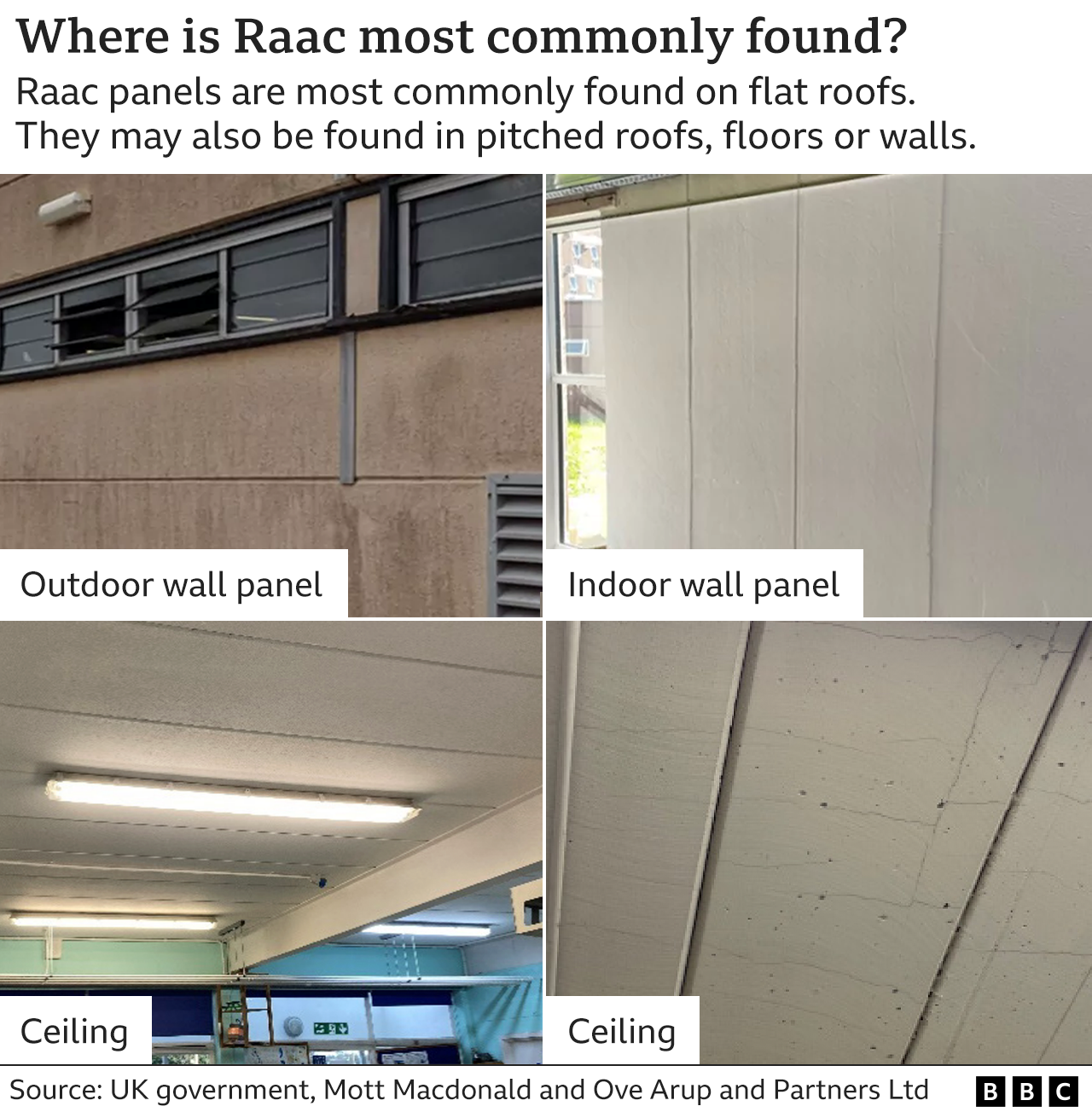
Reinforced Autoclaved Aerated Concrete, or RAAC, is a lightweight form of reinforced concrete, which is formed into panels or planks. These planks appear smooth from the outside but have a bubbly texture internally due to the air pockets formed from the aeration. It has been commonly used in flat roof construction, but from back in the 1950s up.
AAC Autoclaved Aerated Concrete PSE Consulting Engineers

Complete our RAAC reporting form, or. Call us on 020 8555 1200 ext 89170 during office hours (Monday - Friday, 9am - 5pm) Should you need further advice on RAAC then contact your local authority, or for fire safety concerns, contact us via our contact us form, or see our fire safety pages. Here you'll find advice about RAAC and what.
‘Hundreds’ of schools could still contain RAAC plus latest updates
Subscribe for free health and safety news and updates on this topic. Owners or managers of estates should identify reinforced autoclaved aerated concrete (RAAC) in your setting and seek specialist advice to assess it and develop management plans.