
80th Birthday Idea / 1943 Threepence Keyring / King 6th / Painted Brass Coin / 80th
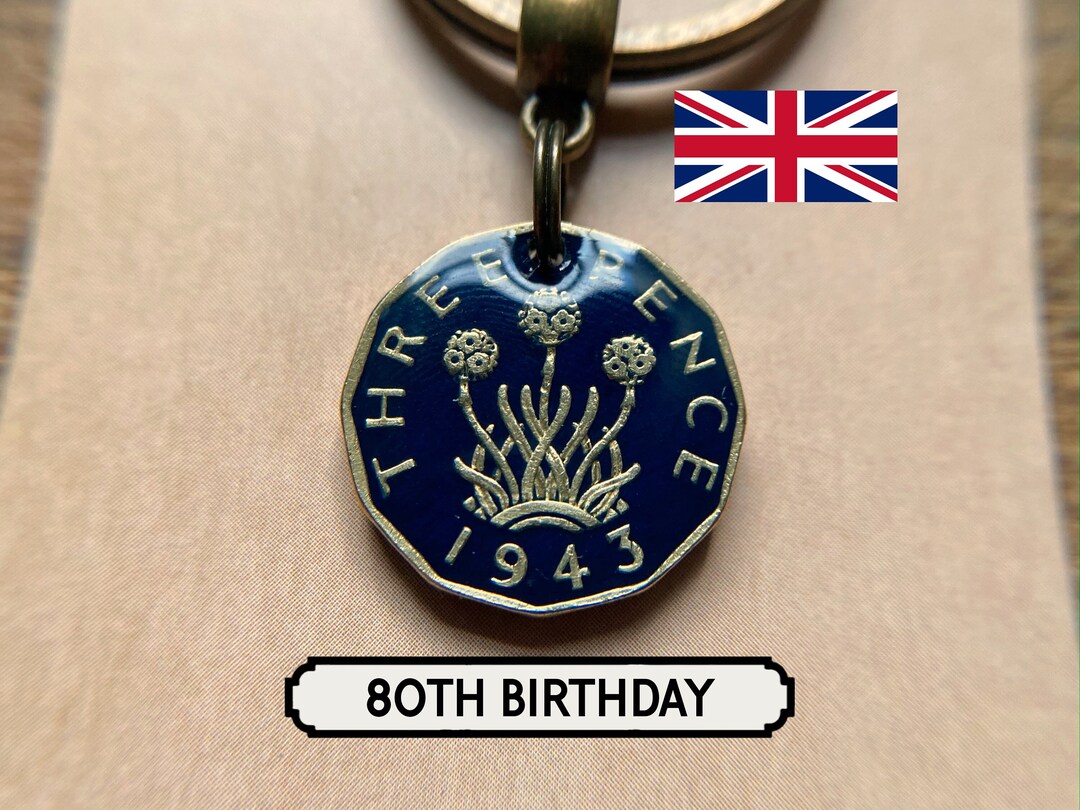
The retail value of a 1943. 'silver' British threepence. can range from £0.70 to over. £40, depending on grade, condition, desirability, and. demand. Our guide below shows retail. estimates based on grade. links to our self-help pages on coin assessment. (opens in a new page)
Authentic 3 Three Pence Threepenny Bit Vintage British Coin Etsy
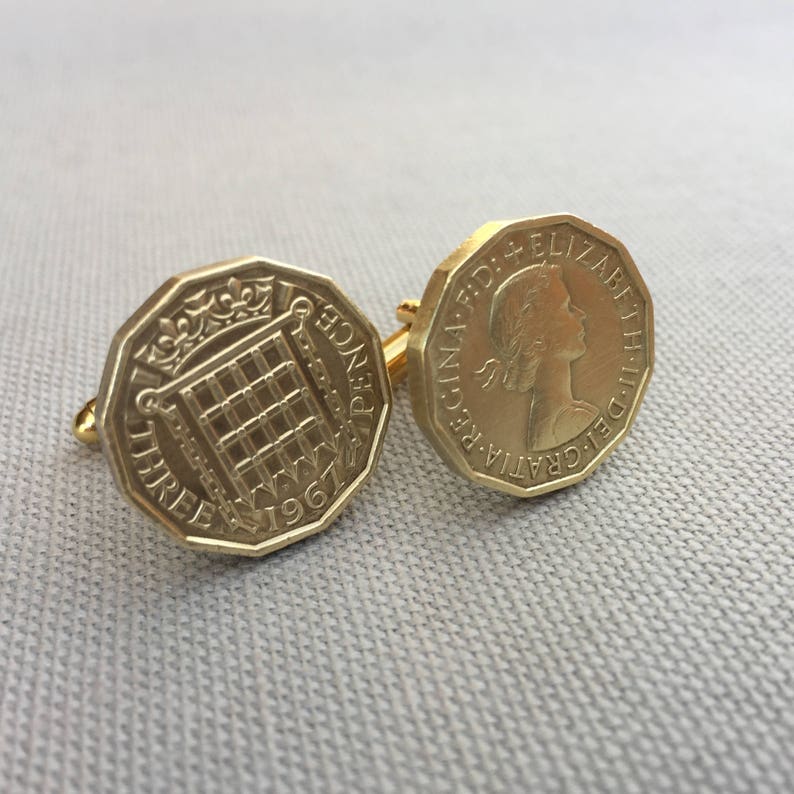
brass. The retail value of a 1943. 'brass' British threepence. can range from £0.05 to over. £9, depending on grade, condition, desirability, and. demand. Our guide below shows retail. estimates based on grade. links to our self-help pages on coin assessment.
Threepenny Bit YouTube
The standard weight of this coin was 1/22 troy ounce or 21.8 grains. From CoinNews.net King George VI Silver Threepence were minted from 1937 to 1945, with a peak production of almost 8 million annually in 1940 and in 1941. The issues of 1942-44 were all shipped to the British West Indies, however, and the coin's final issue was apparently.
Coins for collectors Circulated British 1955 Threepenny Bit / Three Pence 3p Coin / Great

At an auction in April 1970 one of these 1945 George VI silver threepence coins sold for the equivalent of £4,000 in today's money to an unknown buyer, with the other being graded and certified in 2019. The other recently sold for £62,000 in 2020, more than double its presale estimated value. It is without a doubt that the 1945 George VI.
VI Threepenny bits (19371952) eBay

The threepence or threepenny bit was a denomination of currency used by various jurisdictions in England, Ireland, Scotland and Wales, valued at 1/80 of a pound or 1 ⁄ 4 of a shilling until decimalisation of the pound sterling and Irish pound in 1971. It was also used in some parts of the British Empire (later known as the Commonwealth), notably Australia, New Zealand and South Africa.
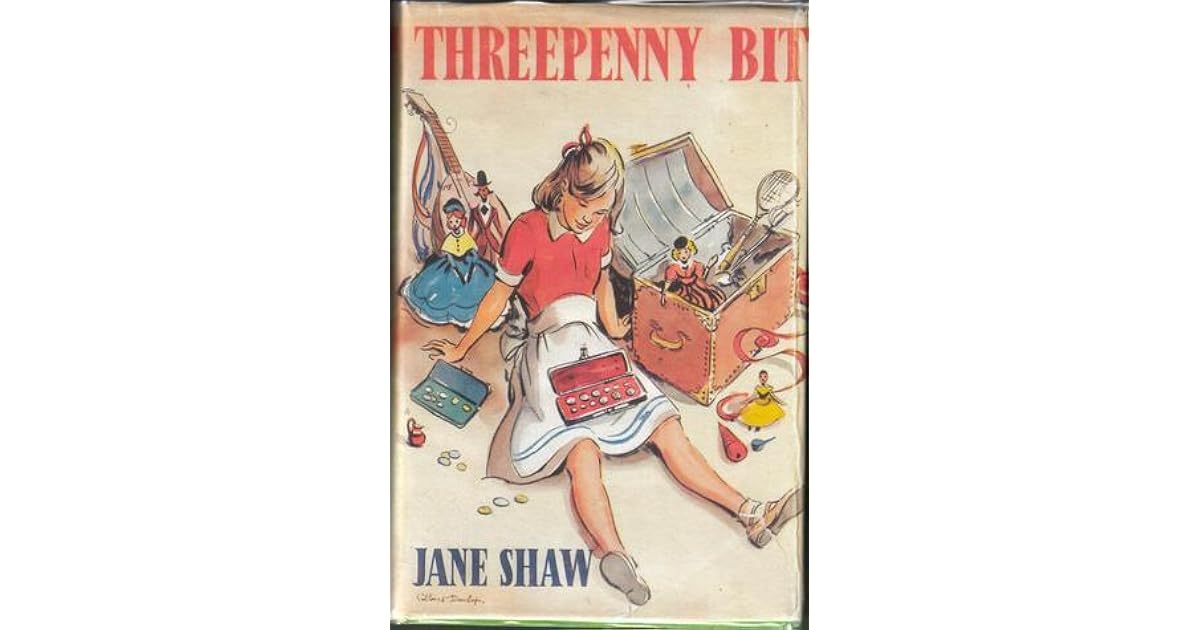
Threepenny Bit by Jane Shaw
1943 Threepence Value, George VI - sell today or buy online. A mid grade condition 1943 Nickel-brass Threepence is worth about £11.50. (value mid point between VF and EF). Add to my collection: Select Grade and tap ADD. View all English coins struck dated 1943.
Threepenny bit Meaning YouTube

The First Silver Threepence - Edward VI (1547-33) For many centuries, the only commonly issued coin had been the silver penny, followed by the groat or fourpence during the thirteenth century. In the sixteenth century, many new coin denominations were added. This first threepence of Edward VI had a portrait of the young king facing, with a.
1940 threepenny bit...both sides Coins, Coin collectors, Coin values

These were fine silver coins, and set the standard for threepence coins to come. Although falling out of use at various points during history, the threepence coin proved resilient and subject to revival, with the silver threepence being minted right through until the middle of the 20 th century, and some of these being very rare indeed. A few.
Coins for Collectors Circulated British 1945 Threepenny Bit/Three Pence 3p Coin/Great Britain

The pre-decimal threepence (3d), usually simply known as a threepence or threepenny bit, was a unit of currency equalling one eightieth of a pound sterling, or three pence sterling.It was used in the United Kingdom, and earlier in Great Britain and England. Maundy Threepence have been issued for centuries (they are still being struck today for ceremonial purposes), and initially the.
Quite Rare World War Two 1943 VI Brass Threepence Threepenny Bit Coin. eBay

Rear British Threepenny Coin 1943: $5.00: 0d 1h left: 1943 Brass 3d Threepence / Thrupenny Bit George VI Coin. $1.00: 0d 2h left: GB, 3 x SILVER SIXPENSES, 1932, 1939 & 1943. GOOD USED CONDITION, SEE IMAGES. $6.00: 0d 7h left: 1943 Threepence 3d Coin King George VI Brass Thrift Plant: $2.00: 0d 21h left
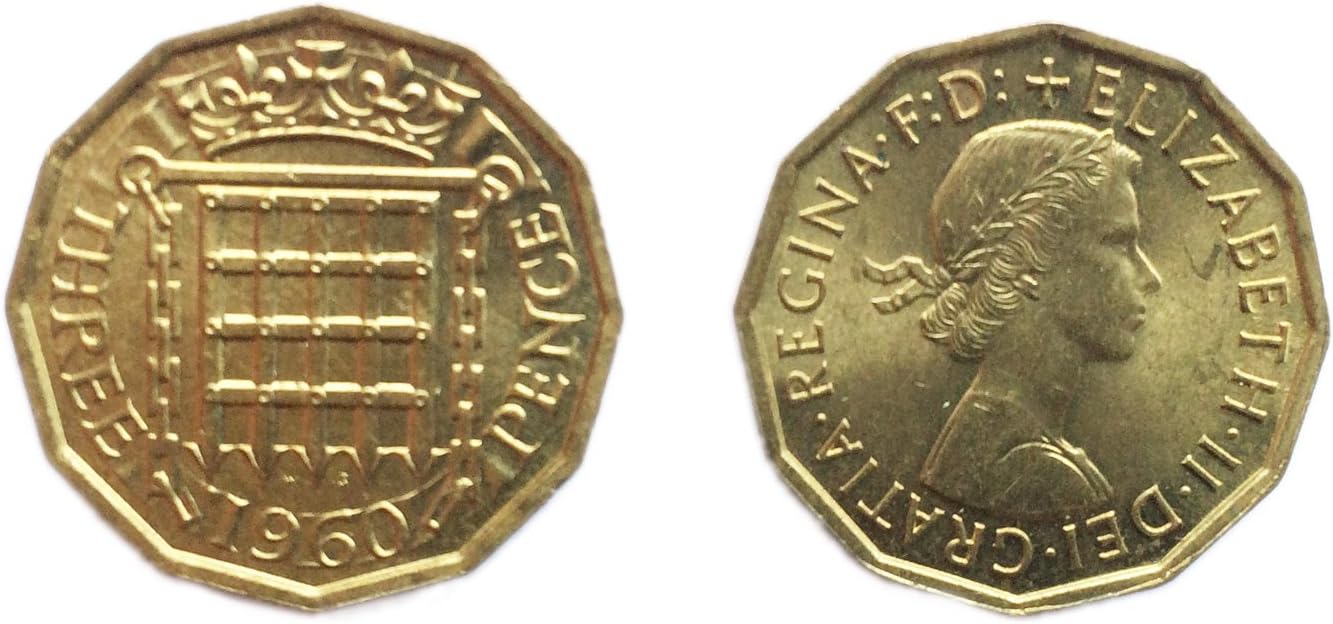
Coins for collectors Circulated British 1960 Three Pence/Threepenny Bit Coin/Great Britain
1943 threepence: $888.00: 0d 21h left: British West Africa Coins - various dates & value: $1.00: 0d 23h left: Threepence 3d Silver ~ Brass GB Great Britain Threepence Thrupence Variants: $1.00: 1d 3h left: 1937 - 1952 King George VI Brass Threepence 3d Thrupenny Coins CHOOSE YOUR YEAR! $5.00: 1d 5h left: 1943 Three Pence 3d Threepenny Bit.
Threepenny Bit Threepenny Bit performing to crowds in Stra… Flickr

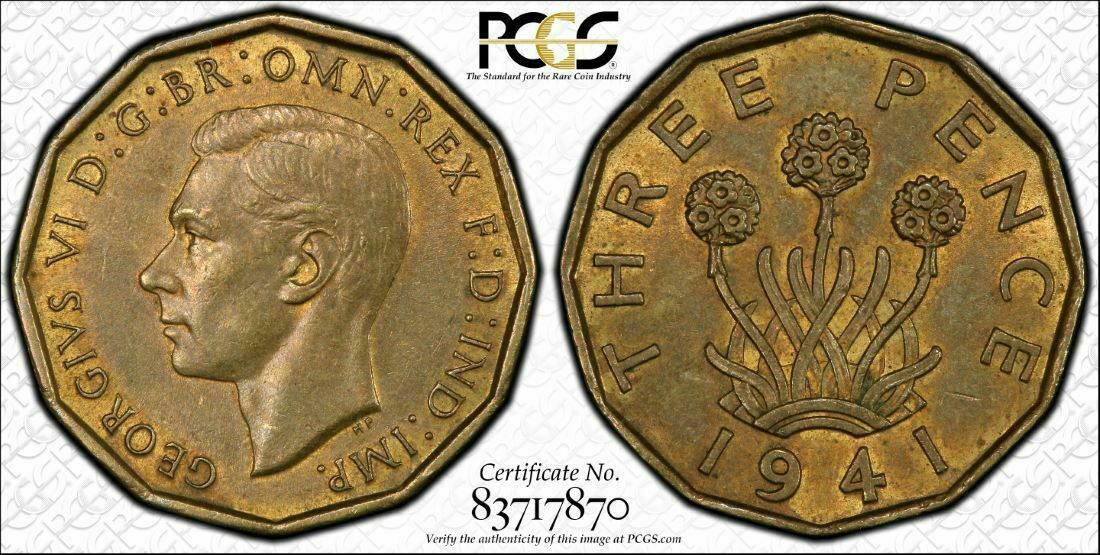
1943 George VI Brass Threepence. One of the proposed coinage reforms of Edward VIII's reign (carried over to that of George VI following the abdication) was the introduction of brass threepence coins to replace the tiny silver issues which had been circulating for many years. The high cost of silver, in addition to the ease with which the tiny.
Last year of issue for this English dodecagon coin, the 'thripenny... English coins, Old

When you click on links to various merchants on this site and make a purchase, this can result in this site earning a commission. Affiliate programs and affiliations include, but are not limited to, the eBay Partner Network. Year/Mint. Denom. Mintage. $. 1937. 3 Pence.
Why Is 1943 Threepenny Bit Rare? DECADE THIRTY

The threepence coin, often abbreviated as "thruppence" or "threepenny bit," has a long history dating back centuries. Its origins can be traced to medieval England when silver pennies were commonly divided into smaller fractions to facilitate everyday transactions. These fractions were typically cut or broken from a larger coin; a.
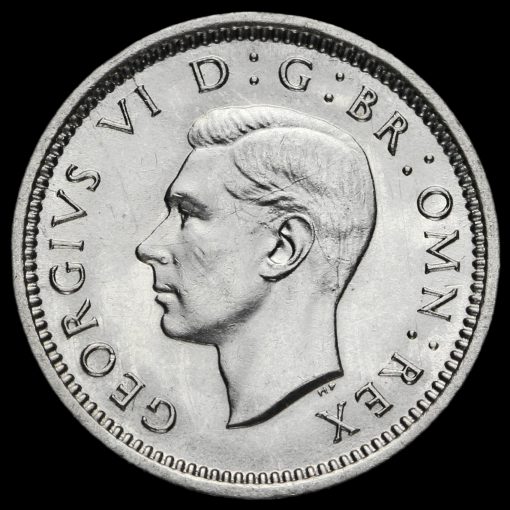
1943 VI Silver Threepence, Rare, EF
The threepence was a coin in Britain's pounds, shilling and pence currency system. It was also known as a: Threepenny bit. Threpenny bit. Threepenny piece. Thrupenny bit. Thruppence. A threepence was worth three old pennies (3d). It was one-eightieth of a pound sterling.
1943 Great Britain Three Pence MS62 Low Population Rare Coin Threepence
The three pence coin -expressed in writing as "3d"- first appeared in England during the fine silver coinage of King Edward VI (1547-1553), when it formed part of a set of new denominations. Although it was an easy denomination to work with in the context of the old sterling coinage system, being a quarter of a shilling, initially it was not popular with the public who preferred the groat.